

Your dryer is one of the hardest-working appliances in your home, and one of the most overlooked when it comes to safety. Clogged dryer vents cause thousands of house fires every year, and in almost every case the warning signs were there beforehand. The good news: those signs are easy to spot once you know what to look for, and the fix is simple.
Here’s how to tell whether your dryer vent has become a fire hazard, and what to do about it.
Every load you dry sends hot, moist air and lint out through the vent. Your lint trap catches some of it, but plenty gets past and gradually builds up inside the vent line. The problem is that lint is extremely flammable, and a blocked vent traps the heat your dryer produces. Heat plus a highly combustible material in an enclosed space is exactly the combination that starts fires.
That’s why failure to clean the vent is the leading cause of dryer fires. It’s not a rare freak accident; it’s a predictable result of buildup that never got cleared. Which also means it’s almost entirely preventable.
Watch for these. Any one is worth attention, and several together mean you should act soon:
Clothes take longer than one cycle to dry. This is the most common early sign. If your loads regularly need two cycles, or come out still damp, restricted airflow from a clogged vent is usually the reason.
The dryer or your clothes are hot to the touch. If the machine’s exterior or your clothes feel unusually hot at the end of a cycle, heat isn’t escaping the way it should, a sign the vent is blocked.
You smell something burning. A burning or musty-hot smell when the dryer runs is a serious warning. Lint that’s overheating produces exactly this smell. Stop using the dryer until the vent is checked.
Weak or no airflow from the outside vent. Go outside while the dryer runs and check the exterior vent. You should feel strong, warm airflow and see the flap open. Weak airflow or a flap that stays shut means the line is obstructed.
Excess lint building up. More lint than usual around the lint trap, the dryer door, or behind the machine suggests it isn’t venting properly and is backing up.
The room gets hot or humid when you dry. If the laundry area becomes noticeably warm or damp during a cycle, the moist air that should be venting outside is escaping into your home instead.
It’s been over a year since your last cleaning. Even without obvious symptoms, vents should be cleared roughly annually. Longer than that, and buildup has likely reached a level worth addressing.
The reassuring part: this is one of the easiest home hazards to eliminate.
Clean the lint trap every load. It’s the simplest habit and it genuinely helps, but be aware it only catches part of the lint. It’s not a substitute for clearing the vent line itself.
Check the exterior vent. Make sure the flap opens freely and isn’t blocked by debris, a bird’s nest, or crushed ducting behind the dryer.
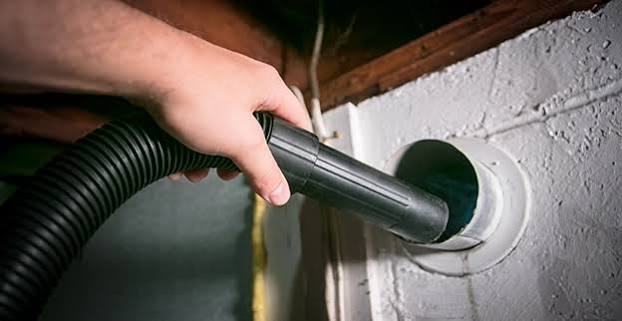
Have the full vent line professionally cleaned. This is what actually removes the danger. The buildup that causes fires is deep in the vent line, beyond where you can reach, and clearing it end to end requires professional equipment. It’s a quick, affordable service, and it’s the step that turns a fire hazard back into a safe, efficient dryer.
If you’ve noticed any of the warning signs above, or it’s simply been more than a year, don’t put it off. A blocked vent doesn’t fix itself, and the buildup only grows with every load.
What are the signs of a dangerous dryer vent? The main ones are clothes taking more than one cycle to dry, the dryer or clothes feeling very hot, a burning smell, weak airflow from the outside vent, excess lint buildup, and a hot or humid laundry room. Any of these points to restricted venting.
How often should a dryer vent be cleaned? About once a year for most homes, and more often for homes with heavy dryer use, long vent runs, or shedding pets. If clothes are drying slowly, it’s usually a sign it’s due.
Can I clean my dryer vent myself? You can and should clean the lint trap every load and check the exterior vent flap. But the lint that causes fires builds up deep in the vent line, so a full professional cleaning is what actually clears the hazard.
Is a burning smell from my dryer an emergency? Treat it seriously. A burning smell can mean lint is overheating inside the vent. Stop using the dryer and have the vent inspected and cleaned before running it again.
Why is a clogged dryer vent a fire risk? Lint is highly flammable, and a blocked vent traps the heat the dryer produces. That combination of heat and combustible material is why clogged vents are the leading cause of dryer fires.
A dryer vent fire is one of the most preventable household fires there is, and the warning signs are easy to catch. If your dryer is showing any of them, or it’s been over a year since your last cleaning, a professional dryer vent cleaning clears the hazard quickly.
Ducts on the Run provides professional dryer vent cleaning across Orillia, Simcoe County, and Muskoka. Book a cleaning and keep your home safe this season.